Common HDPE Extrusion Welding Problems
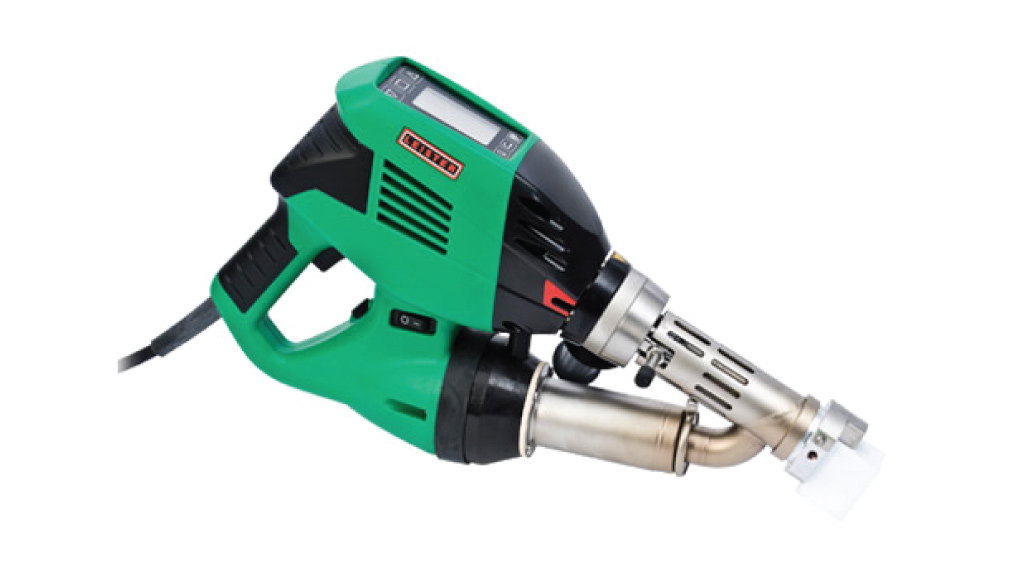
PE100 pipes can last more than 50 or 100 years. Quality extrusion welding can match that, but poor welds can be the first thing to break. Here’s a quick look at the main steps to go through, and common problems to avoid, next time you handle an extrusion welder.
The materials and technology that go into today’s mines are getting more and more reliable, so you have a harder and harder standard to match. When you’re welding a pipe that’s made to last until after you’re retired, are you up to the challenge?
Avoid problems with HDPE extrusion welding before they happen
There are four simple ways that you can avoid problems with your welds.
Check your tools and supplies
Don’t get caught short. Got enough polyethylene welding rod lined up?
Avoid someone else’s leftovers. What was the last job the extruder was used for? If there’s any leftover extrusion in the melting chamber, clear it out before you get started.
Make sure the shoe fits. The pieces you’re joining and the seam you want to create dictate the shoe you want. Double-check what sort of seam you’re about to create before you turn up the heat. For more on tool selection across HDPE jointing, see our guide to using the right tools for the job
Scrape the HDPE surfaces down and keep them clean
Even the best welding job can be undone (literally) by unclean, contaminated, or oxidised surfaces.
Out in the field you’ll never get things perfectly clean and dry, but mud, dust, oil and water can all weaken the bond between two surfaces. The cleaner you make things, the better the job you can do.
No matter how new the pipes are, there’ll be an oxidation layer to scrape away as well.
Get things in place with HDPE extrusion welding
Extrusion welding is a precise art, so you need the two pipe sections aligned as perfectly as possible. Depending on your job and conditions, you might want to centre and tension your pipes using clamps. As we wrote in this piece about coupling failure, positioning is everything.
Set the right HDPE welding temperature
The right temperature depends on the HDPE welding rod you’re using. Too cool and it won’t flow well, too hot and you could have a chemical breakdown on your hands. Either way, the strength and appearance of the weld will be affected, and you could find yourself starting again.
Here’s how to spot temperature problems: seams that are welded too cold don’t have a smooth or consistent look. Overly hot ones look wet and shiny.
Before you begin, double-check the makeup of your welding rod and its recommended temperature.
While you weld HDPE pipe
Even if you’ve been welding for your entire career, it never hurts to review the basics.
Preheat the starting point
Your pipe must be preheated to make sure that the weld will bond properly. Once you’re underway, the welder will naturally preheat the surface that’s ahead of you. But your starting point needs some early attention, so fan it with hot air from the welder.
Get the extrusion welder angle right
The angle between your extruder and the pipe surfaces is crucial. You can judge this from how evenly the extruder is flowing, how evenly the surfaces preheat, and from the way the seam looks. If it has a smooth and regular appearance with straight edges, keep working that angle.
Pace yourself
This is a balancing act between your travel speed and the extrusion rate. When you and your machine work together at a good steady pace, you’ll leave behind a strong, uniform seam.
If you’re too fast or the extrusion is too slow, you won’t create a true seal. Instead, you’ll end up with a thin, weak seam.
If your travel speed is too slow or the extrusion rate is too high, you’ll see a thick or lumpy buildup of material.
It’s not over till it’s over
It’s tempting to pack up and get onto the next job (or, at the end of the day, grab a beer!) but there are two final things to do before you can move on.
Cool down
Like all welds, extrusion welds need to be left to cool before you can rely on their strength. Any movement or deformation can make all your work less effective, so give it all the time it needs.
Leave the welder running on empty
Make your team’s next job easier by running out any leftover extrusion rod. Make sure that the welder is as clear as it can be. It will speed up your jobs and make your work much more efficient.
Download the checklist
Keeping a checklist can help your team create outstanding welds every time. You’re in luck – we’ve done one for you. For a quick list of everything mentioned here, download this one-pager.

