Steel Pipe Replacement with HDPE: 5 Strategies to Speed Up Your Pipeline Upgrade
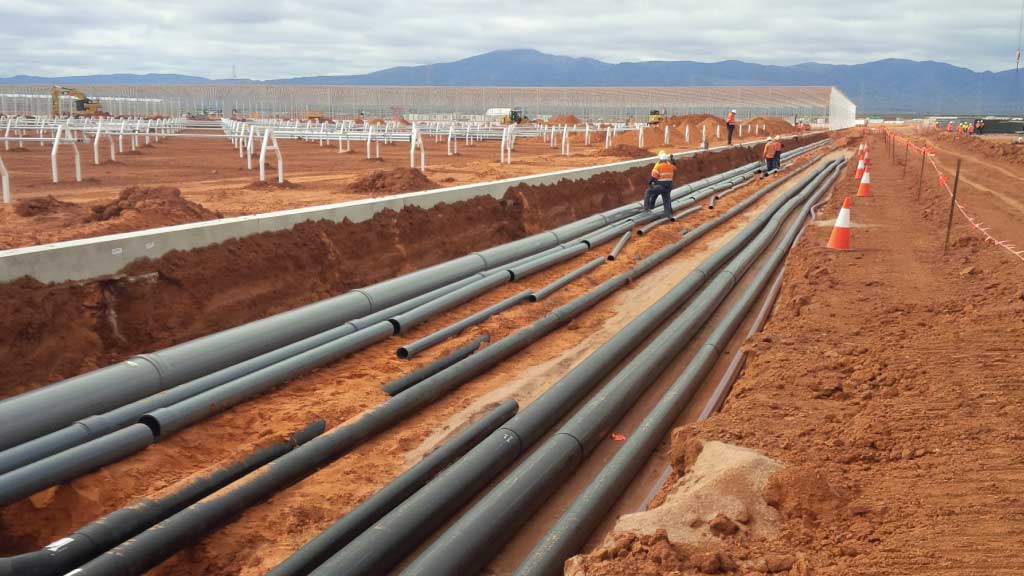
Full pipeline replacement from steel to poly pipeline is rarely a capital expenditure that most operators can approve in one go. A phased pipeline upgrade can help replace aging sections without requiring the budget or disruption of a complete replacement project.
This guide explains why poly pipe is a practical alternative to steel, the key benefits of a pipe material upgrade, and strategies that can help accelerate the transition using resources you already have.
Why upgrade from steel to poly pipe?
Steel pipe corrosion is a major challenge across mining, water treatment and civil infrastructure applications. Over time, corrosion can increase pipeline maintenance requirements, create leak risks, and shorten the pipeline’s service life.
A full steel pipe replacement can also require significant capital, planning and downtime. A phased approach lets operators prioritise problem areas and upgrade the pipeline to poly pipe progressively.
Key benefits of poly pipe
- Corrosion resistance: Poly pipe does not rust or tuberculate, so it does not require cathodic protection or coating maintenance.
- Long service life: Poly pipe can deliver a 50–100-year design life under normal conditions.
- Lower weight: Poly pipe weighs roughly one-eighth as much as steel, which can reduce transport, lifting and handling requirements.
- Simpler jointing: Fusion joints create continuous connections without gaskets or mechanical couplings.
- Fewer leak paths: Fewer mechanical connections can reduce potential failure points across the pipeline.
- Installation flexibility: Poly pipe can support installation methods such as horizontal directional drilling and marine installation.
- Lower lifecycle costs: Reduced corrosion, pipeline maintenance, leak-related downtime and replacement requirements can lower the total cost of ownership.
How to upgrade from steel to poly pipe
There is no need to wait for a major capital project. If you manage a steel and poly pipeline, start with the work you are already doing.
Strategy 1: Use your existing pipeline maintenance program
Your maintenance program is already replacing steel pipe. Use those jobs to move further towards poly.
If one section needs immediate replacement, check whether a nearby section will need replacement soon. If the crew, equipment and shutdown are already in place, replace both.
- Review recent failures and recurring problem areas.
- Identify sections due for replacement soon.
- Add one extra poly length when access and shutdown time allow.
- Track the metres of steel replaced each year.
Strategy 2: Prioritise the highest-maintenance sections
Start with the sections that take the most time and money to maintain. Replacing these first can reduce future repair work.
- Rank sections by labour hours, repair costs and callout frequency.
- Prioritise critical flow paths where failures affect the wider system.
- Combine sections due for replacement with those needing immediate work.
- Target areas exposed to corrosion, chemicals or abrasion.
Strategy 3: Use trenchless methods where excavation is difficult
Roads, waterways and built-up areas can make excavation expensive and disruptive. Poly pipe supports several trenchless installation methods for these situations.
- HDD: For road crossings, waterways and built-up areas.
- Pipe bursting: For replacing existing pipe with less excavation.
- Slip-lining: For installing a new pipe inside an existing line.
- PE100-RC: For rocky ground and point-load conditions.
Strategy 4: Plan Steel-to-Poly connections early
A phased pipeline upgrade creates transition points between existing steel and new poly. Plan these connections before installation.
- Select the transition method early.
- Standardise connection methods where practical.
- Match pressure ratings across the connection.
- Keep fittings and spares available for future upgrade stages.
Strategy 5: Use planned shutdowns to replace more Pipe
A planned shutdown can give you the time and access needed to replace additional sections. Prepare the work before the outage so your team can complete more while the line is offline.
- Align pipeline upgrades with planned maintenance shutdowns.
- Prefabricate replacement sections before the outage.
- Coordinate pipe replacement with nearby pump, valve and crossover work.
- Record completed work to plan the next upgrade stage.
One thing you can do right now
Before planning a major pipeline replacement, look at your next maintenance cycle.
Ask two questions:
- Which sections will need replacement soon?
- Which sections have the highest maintenance load?
Use the answers to decide where to make your next poly pipe upgrade. If a section needs immediate replacement, check whether a nearby section that will need replacement soon can be replaced during the same shutdown.
This gives you a simple way to start reducing steel without waiting for a full pipeline replacement budget.
How Advanced Piping supports steel-to-poly pipeline upgrades
Advanced Piping has supplied HDPE pipe, fittings and prefabricated assemblies for pipeline replacement projects across Australia and the Pacific for more than 30 years, including phased upgrades from steel to poly in mining, water treatment, and civil infrastructure applications.
Whether you’re spec’ing a full replacement or planning a section-by-section upgrade against your existing maintenance program, we can help scope the right approach for your pipeline.
Ready to plan your steel-to-poly upgrade?
Get in touch with the Advanced Piping team with your pipeline scope, and we’ll come back with a phased replacement approach matched to your project.

